The gear trap that quietly kills output
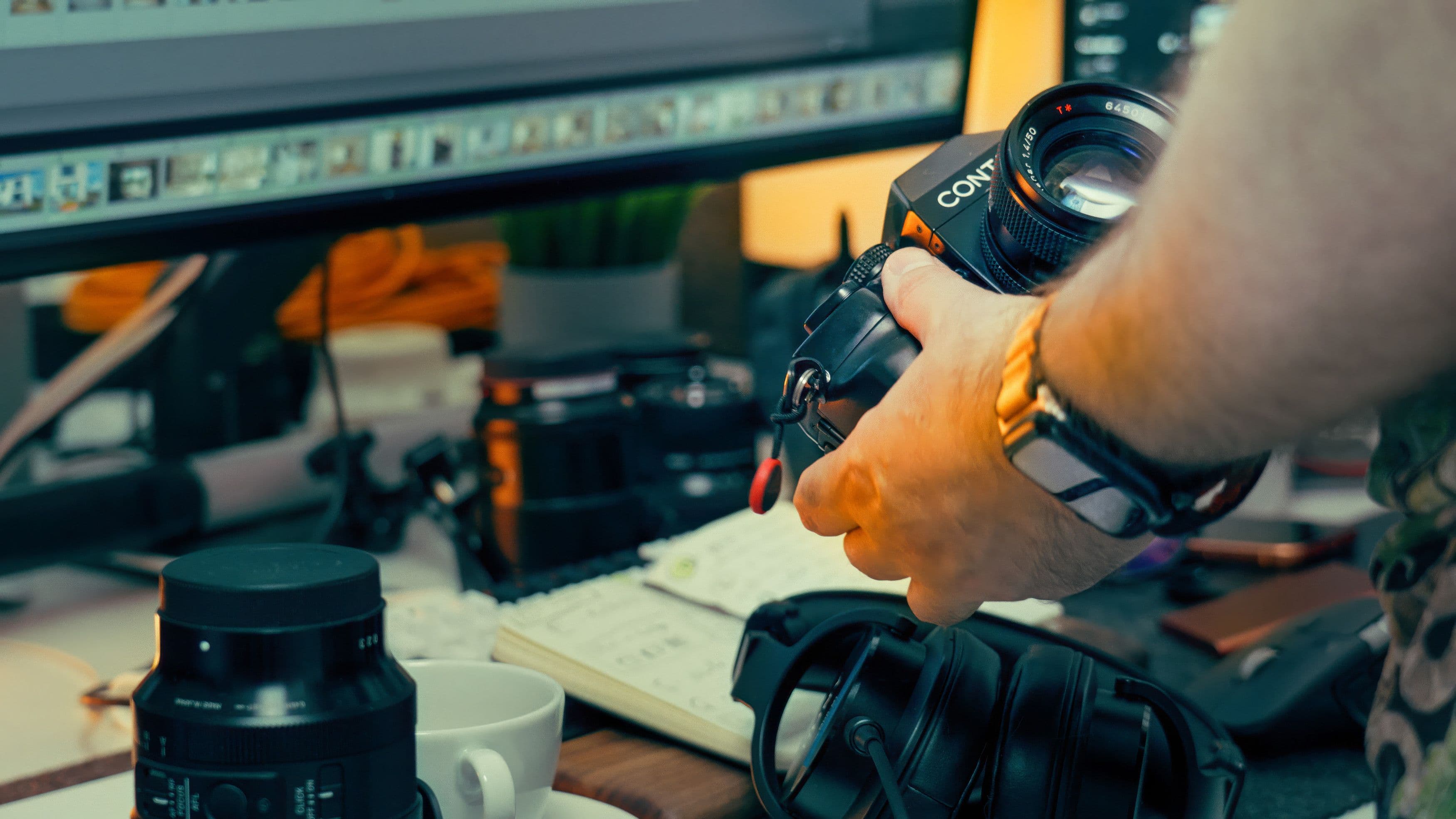
A lot of creators believe their growth problem is a quality problem, so they buy more gear, build a more elaborate setup, and chase the last few percent of polish. Then the setup becomes so heavy that publishing slows to a crawl, and the real engine of growth, consistent output, stalls. The trap is treating production value as the foundation when it is actually a multiplier.
Strong production value does not replace strong content. But when the content is already good, production value can increase perceived credibility, retention, and overall growth rate. The useful mindset is not "production does not matter." It is "production is a multiplier, not the core asset." This article covers both halves of the system: the quality that actually moves the needle, and the friction audit that keeps you shipping.
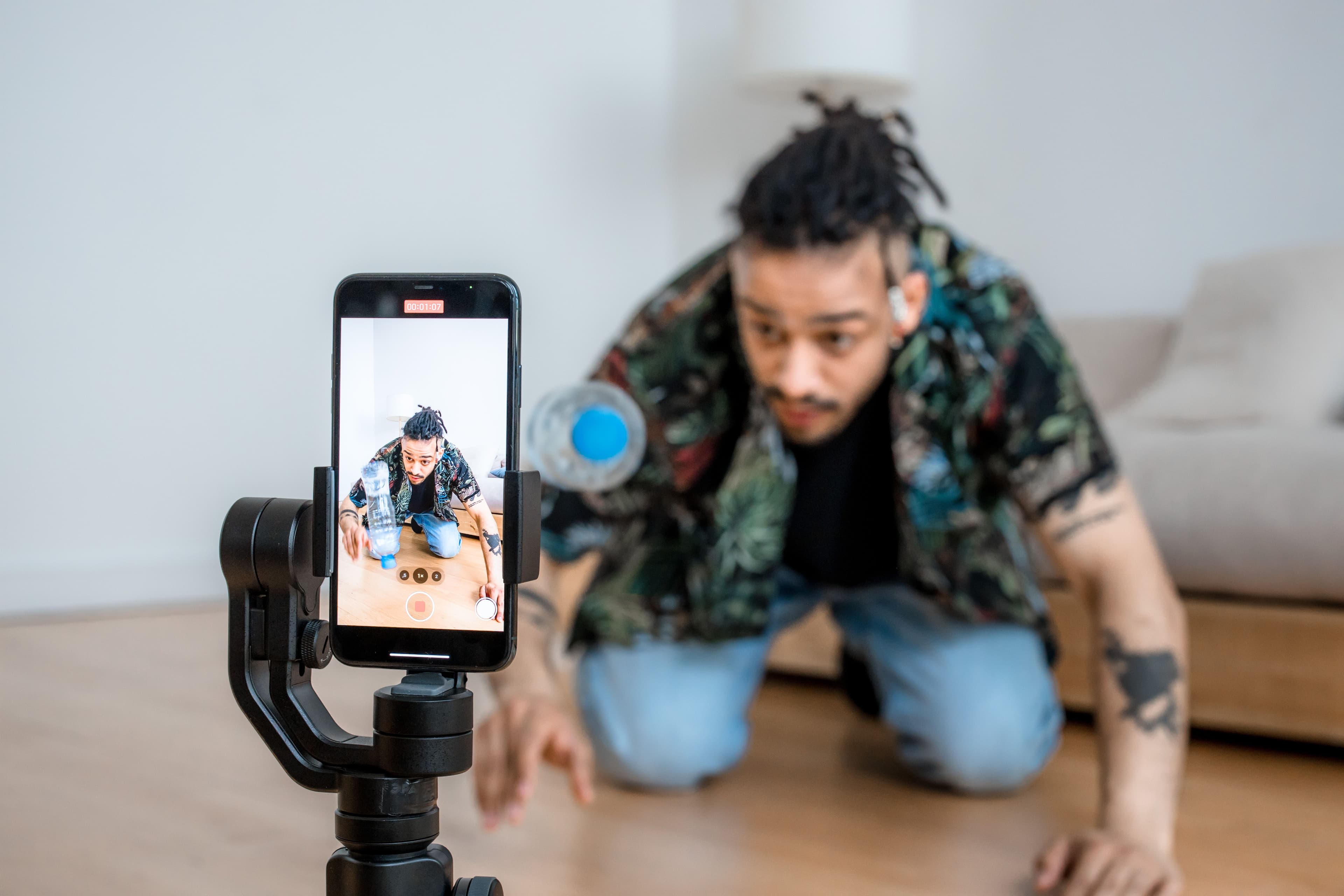
Consider a singer-songwriter who has been posting for a year. In month one they bought a USB microphone, a cheap ring light, and a phone stand. The audio was clean, the framing was steady, and they were posting three times a week because setup took five minutes. In month seven they upgraded to a full interface, condenser mic, key light, fill light, and a DSLR on a proper rig. Production value went up noticeably. Output went from three times a week to once every ten days because setup now takes an hour and breakdown takes another thirty minutes. The result: better-looking posts seen by fewer people because the algorithm had less to work with. Production ate consistency.
This is exactly the kind of practical, do-this-not-that guidance Linx in LinkSplash Pro is built to give. You can describe your current setup and ask where to spend effort, and it will answer from this same framework. The walkthrough below lets you run it yourself.
Aim for the 80/20 of quality
There is usually a sweet spot between production quality, ease of use, repeatability, and speed of publishing. The goal is not maximum polish. It is sufficient quality that the content feels credible and competitive without making production so heavy that it slows output. Past that point, extra effort buys diminishing returns while quietly taxing your consistency.
Clarity of signal beats technical perfection. Focus on the production elements that most directly affect perceived quality, and let the rest go. The few percent of polish you are tempted to chase is usually invisible to the audience and expensive to you.
The 80/20 question to ask yourself is: what would a first-time viewer notice as a problem? Most viewers will not notice that your lens is not a prime, or that your room treatment is imperfect, or that you are shooting in 1080 instead of 4K. They will immediately notice if your audio has reverb, if your face is underlit, or if the frame is so tight they cannot see your hands. Fix what the viewer notices first and leave the rest alone until output is rock solid.
Prioritize the signal the viewer actually feels
The best 80/20 setup improves the details viewers register immediately: light, sound, framing, and visual separation between subject and background. These move perceived quality far more than an extra lens or a more complex edit.
Audio is almost always the highest-return investment because bad audio triggers an instinctive low-quality signal the viewer cannot ignore. A poor image can pass as stylistic. Clipping audio, heavy reverb, or a loud fan in the background reads as amateur regardless of how good the content is. Clean audio often does more for perceived credibility than any visual upgrade.
- Get clean audio before buying more complicated gear, because bad audio reads as amateur instantly.
- Make the subject easy to see with clear lighting.
- Use stable, legible framing so the message stays central.
- Create simple visual separation between subject and background.
Choose repeatability over a perfect rig
A technically superior setup that is hard to use can become a publishing tax you pay every single time you create. A repeatable setup that removes friction is often the stronger growth system, even if it is technically less impressive, because effectiveness across the full publishing loop matters more than optimizing one isolated step.
Creators often over-optimize tiny parts of the workflow and lose the time that would be better spent publishing more useful work. Judge your setup by how effective it is across the whole stack, not by how efficient one part looks in isolation. Reusable templates, workflows, and production defaults compound because they preserve energy for the parts that actually matter: idea quality, message quality, clarity, consistency, and output volume.
A practical standard: if someone else sat down at your setup, could they record a post in under ten minutes with no explanation? If the answer is no, there is complexity in the rig that does not serve the output. The best setups are almost boring in how predictable they are. The creator who has a dedicated corner, a clip-on mic already attached to their shirt, a light set on a timer, and a phone on a fixed mount will outpublish the creator with a beautiful floating rig they have to rebuild and calibrate every time.
Run the production friction audit
Creators often blame motivation when the real problem is friction. Every recurring setup choice, file hunt, tool handoff, and unclear destination makes publishing harder than it needs to be. The best workflow removes friction before idea quality even has to fight it. Look for the points where content slows down repeatedly, because those are your first candidates for templates, presets, defaults, or simplification.
Walk your own publishing loop and answer these honestly. Each "no" is hidden friction quietly costing you posts. Be specific: do not just answer in the abstract. Think about the last three times you went to post and trace exactly where the delay happened. If you have rebuilt your caption style three times in a week, the caption decision is a friction point. If you filmed twice but only posted once, something in the production or edit step is adding a decision that should already be resolved.
- Can you record without rebuilding the setup every time?
- Are the formats decided before you start, or re-invented each session?
- Is the destination page you point people to already live and ready?
- Do your assets live somewhere you can actually find them?
- Can you publish without rethinking every caption and call to action from scratch?
Make the destination part of the default
One of the biggest hidden frictions is the destination. If every launch, release, or campaign means rebuilding where you send people, you have added a recurring tax to publishing. A ready destination removes one recurring decision: if the campaign, offer, release, or signup path is already live, publishing gets easier.
The destination decision is especially costly because it happens at the end of the publishing loop, when willpower is at its lowest. Creators who leave the destination undefined until the last minute often end up posting with a vague call to action (CTA) or no CTA at all, which means the distribution system gets no signal and the viewer gets no clear next step. Both outcomes are expensive.
A LinkSplash brand home becomes that stable default. You set up a real page once, then point every post at it instead of scrambling for a new destination each time. It is free to start, and because the page presents work cleanly on desktop and mobile, the credibility you protect with good production carries through to where people actually land. On Pro, Linx can review your setup and your loop and tell you exactly where the friction and the quality gaps are.