It's not that you're lazy. It's that every post is a hundred questions.
Here's the loop you know too well. You sit down to make content. First you have to decide what to talk about. Then how to structure it. Then how to open it. Then what to film, where to film, what to wear, what the caption says, what the title is, what the thumbnail looks like. By the time you've answered all of that, the energy you had for the actual idea is gone, and you either post something flat or you don't post at all. Then you blame your discipline.
It isn't discipline. The creators who publish constantly, the ones who never seem to miss a week, are not more motivated than you. If you watched their process you'd be a little disappointed by how unglamorous it is. They've just done something quietly powerful: they've removed the decisions. Every recurring question that used to drain them has been answered once, in advance, so that sitting down to make content isn't a hundred small choices anymore. It's just execution.
That's the real growth advantage hiding in plain sight. Decision minimization. Every repeated decision you can simplify or template is energy you get back, and that energy goes straight into the only things that actually matter: the quality of the message and the consistency of showing up. The people winning at volume aren't grinding harder. They're deciding less.
Linx in LinkSplash Pro is built to do precisely this. Describe your current content process and it will find the repeated decisions worth turning into defaults. The rest of this article is that thinking written out so you can build the system yourself.
Decision fatigue is the real reason you stop posting
Every choice you make costs something, and they don't cost the same all day. The decisions you make in the first hour are sharp. By the tenth or twentieth small choice, you're tired, defaulting, second-guessing. This is why people who decide what to wear and eat the same way every day do it: not because the choices are hard, but because choosing at all has a price, and they want to spend that budget on the work.
Content is brutal for this because it's decision-dense by nature. A single post can contain dozens of micro-decisions, most of them ones you've technically made before but keep re-litigating from scratch every time. That re-litigation is the friction. It's not the filming that wears you out. It's standing at the edge of every post asking yourself the same questions you asked last week.
And here's the cruel part: the decisions don't even improve the work. Agonizing over which hook structure to use, every single time, does not make the hook better. It just makes you tired before you've started. The fatigue is pure overhead, and it's the thing that quietly ends most creators' consistency long before they run out of ideas.
What to decide once and never again
The fix is to move your recurring decisions out of the moment and into the system. You decide them once, deliberately, when you're fresh, and then you stop deciding them. The goal isn't to make every post identical. It's to make the structural choices automatic so your energy goes to the message, not the machinery.
Here are the decisions most worth retiring. Lock these and you'll feel the difference immediately.
- Your hook structure: pick a small set of opening shapes that work for you, so you're never staring at a blank first line wondering how to start.
- Your outline shape: decide the basic arc your content follows, hook, tension, insight, soft close, so structure stops being a fresh puzzle every time.
- Your packaging defaults: settle your caption style, title approach, and how you close, so the wrapping isn't a separate creative project after the hard part is done.
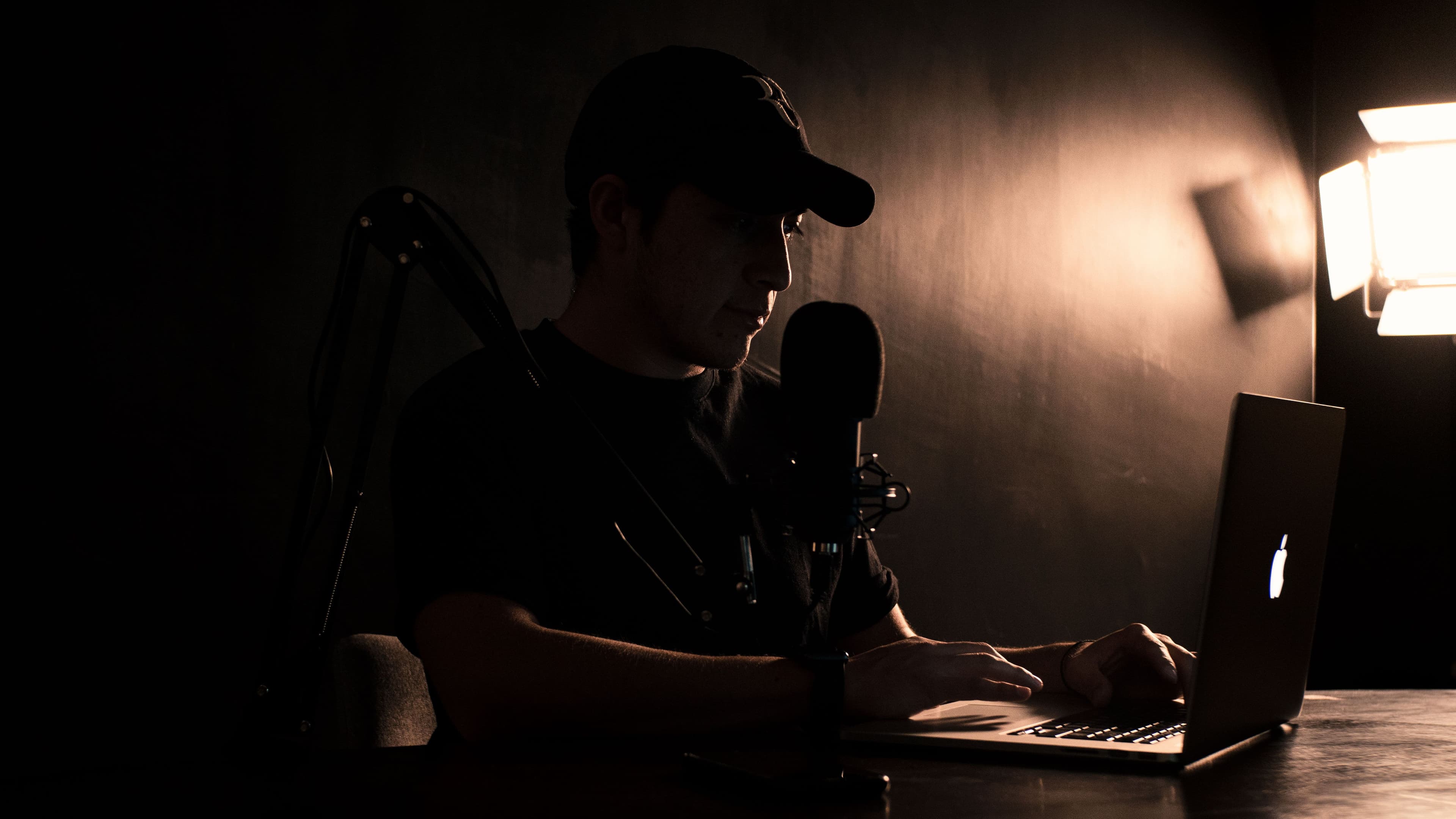
- Your recording environment: a fixed spot, fixed light, fixed mic, fixed framing, so setup is muscle memory and not a daily negotiation.
- Your call to action (CTA): the line that tells people what to do next, decided once, so you're not reinventing the ask on every post.
Templates that free you instead of flattening you
The fear creators have about this is real and worth naming: if I template everything, won't all my content start sounding the same? It will, if you template the wrong layer. The trick is to standardize the structure, workflow, packaging, and recording defaults, the scaffolding, while leaving the message itself completely free. A good template preserves your energy for the part that makes you you. It doesn't make every script interchangeable.
Think of it like a DJ's setup. A serious DJ doesn't reinvent their signal chain every night. The decks, the mixer, the way they prep tracks, that's all locked, dialed in once and reused forever. That stability is exactly what frees them to be creative in the moment, reading the room, taking risks with the actual mix. Nobody calls a fixed setup boring. They call it professional. Your content system should work the same way.
When the scaffolding is fixed, the only thing left to bring each time is the idea, and that's where you want all your attention to go anyway. The template carries the load of structure so you can carry the load of meaning. That's the whole deal: lighter setup, sharper message, every single time, with enough left in the tank to do it again tomorrow.
Fewer decisions, more inventory, real compounding
Here's why this matters beyond just feeling less tired. The benefit of removing decisions isn't only that each post is easier. It's that you make more posts, and volume is where the real growth lives. Consistent output sharpens your instincts, builds pattern recognition, and stacks up an inventory of work that keeps paying off long after you publish it. None of that compounds if the decision fatigue keeps stopping you at post three.
A creator with a low-friction system and a creator running on willpower can have identical talent and end up in completely different places, purely because one of them keeps showing up and the other keeps stalling out at the edge of the next post. The difference isn't ability. It's that one of them stopped making the system fight them every time they sat down.
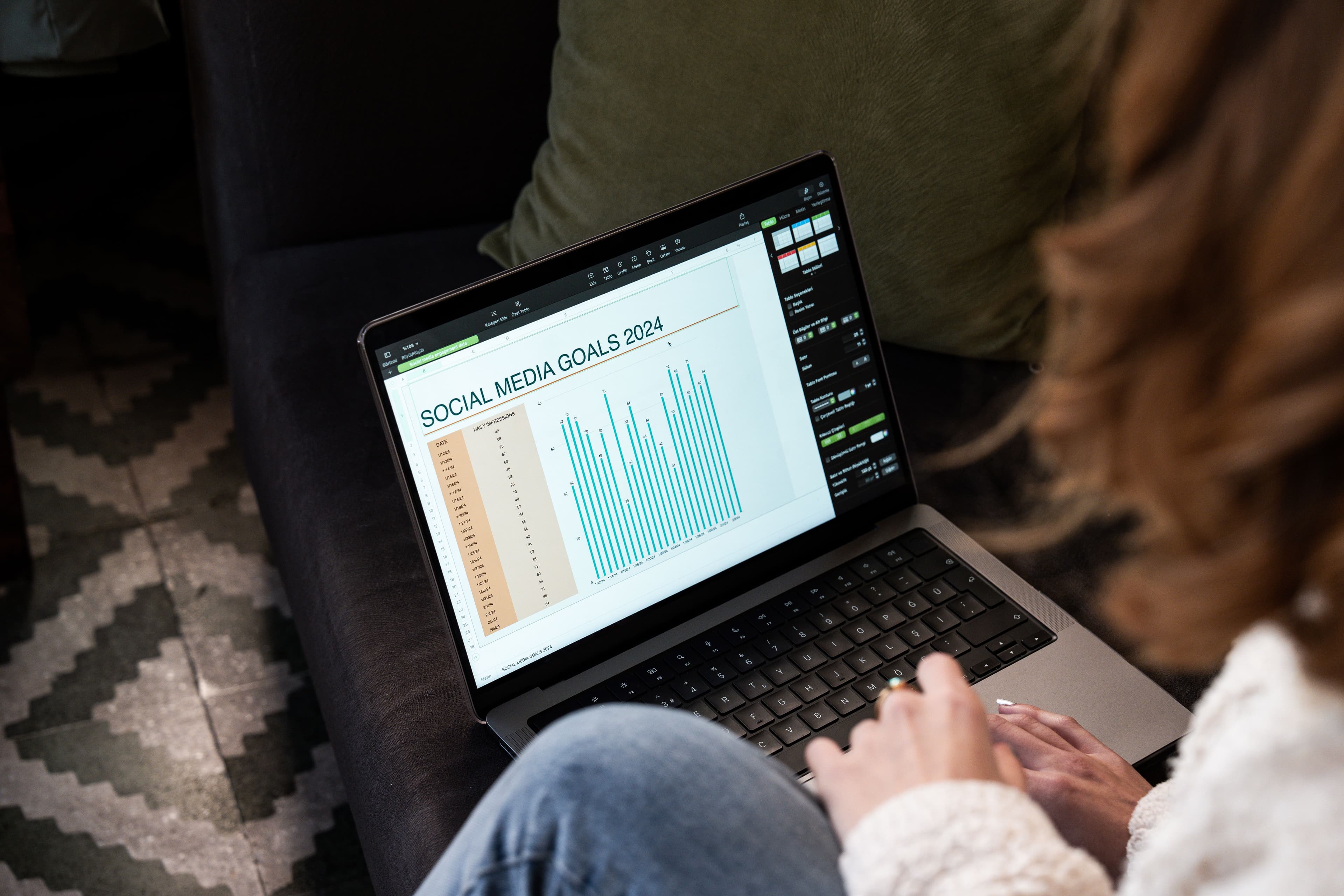
So audit your own process this week. Walk through your last few posts and write down every decision you made. Then ask, for each one, could this have been decided once instead of every time? The decisions you can retire are your real roadmap to publishing more, and publishing more is the path to almost everything else you want.
Make the destination a default, too
There's one recurring decision most creators never even think to systematize: where visitors land. Every time you post, there's an implicit choice about what link to share, what to send people to, how to package the next step. If that's a different scramble each time, a new link, a hasty edit, a generic list you keep reshuffling, it's just one more decision draining the same energy budget. And a thin, ever-changing link list never builds the recognition that consistency is supposed to earn you.
LinkSplash turns that into a default you decide once. Instead of a thin link list you rebuild every launch, you get a real brand home, a single stable destination that grows with you, so sending people somewhere good stops being a per-post decision and becomes part of the system. It's free to start, so you can lock this piece of the workflow without taking on another tool to manage.
And on Pro, Linx helps you set the defaults that keep the page running on autopilot. Paste in your content plan and your page, and ask it which page decisions, your layout, your primary CTA, your update routine, you can settle once and stop revisiting. Remove the decisions from the destination, too, and your whole publishing loop gets lighter, faster, and far more likely to actually keep going.