They were gone before you finished the first sentence
You've felt this as a viewer, even if you never named it. A clip starts, the sound is thin and echoey, or there's a hiss under the voice, or the room swallows half the words, and your thumb moves before your brain even decides anything. You didn't judge the idea. You didn't hear the idea. The audio told you, in under a second, that this wasn't worth the effort, and you left.
Now flip it. That's happening to your clips, and you can't hear it, because you recorded in that room, on that mic, and your brain has already filled in every word. You're listening to what you meant. A stranger is listening to what actually came out, and what actually came out is doing the deciding.
Here's the part that should reorder your whole spending plan: people forgive a rough picture far more than they forgive bad sound. A slightly soft, slightly dark video with great audio gets watched. A gorgeous, perfectly graded video with muddy audio gets skipped. We will tolerate a lot of visual roughness if the sound is clean, and almost none the other way around. Bad audio reads as amateur before you've made a single point.
This is exactly the kind of priority call Linx in LinkSplash Pro is built to help with. You can describe your current recording setup and ask it where audio is silently costing you, and what the single highest-return fix is. The rest of this article is that reasoning written out so you can apply it yourself.
Why sound carries more weight than the picture
There's a reason this isn't just an opinion. Clean audio is one of the clearest signals of perceived quality, and clarity of signal is what a cold viewer reacts to. When you list the production elements that most directly affect how credible a clip feels, clean audio sits at or near the top, above resolution, above color, above almost everything visual. We have walked through the full short list elsewhere, light, sound, framing, separation, and through the broader point that clarity beats effort; this post is just the case for which of those signals to fix first.
Part of it is effort signaling. Good sound is invisible work, the kind a casual phone recording almost never has by accident. So when the audio is clean, it quietly tells the viewer that someone cared, that this is a real thing made by someone who knows what they're doing. Bad audio signals the opposite just as fast, and it does it before your content has had a chance to argue otherwise.
The other part is simpler: people have to be able to understand you. A clip's whole job in short form is to make a stranger notice, feel something, and want more. None of that survives words they can't make out. Every sentence they have to strain for is a sentence they'd rather just scroll past, and they will.
The highest-return fix you're probably skipping
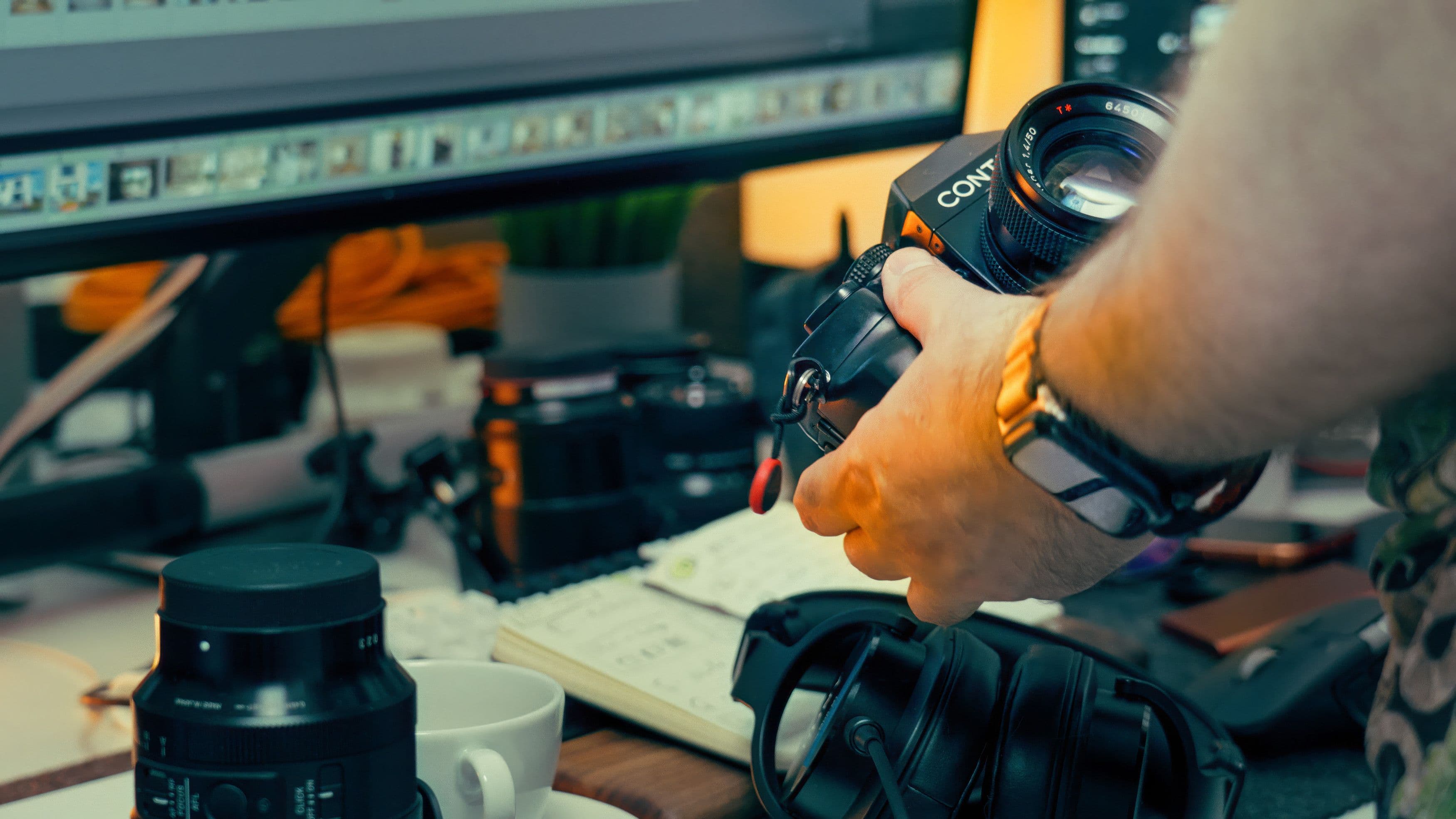
Here's the good news, especially if you've been eyeing a camera. Audio is usually the cheapest major upgrade available, and it returns more than anything else on the list. You don't need a studio. You need to fix the few things that make the biggest audible difference.
In rough order of impact, here's where the return lives.
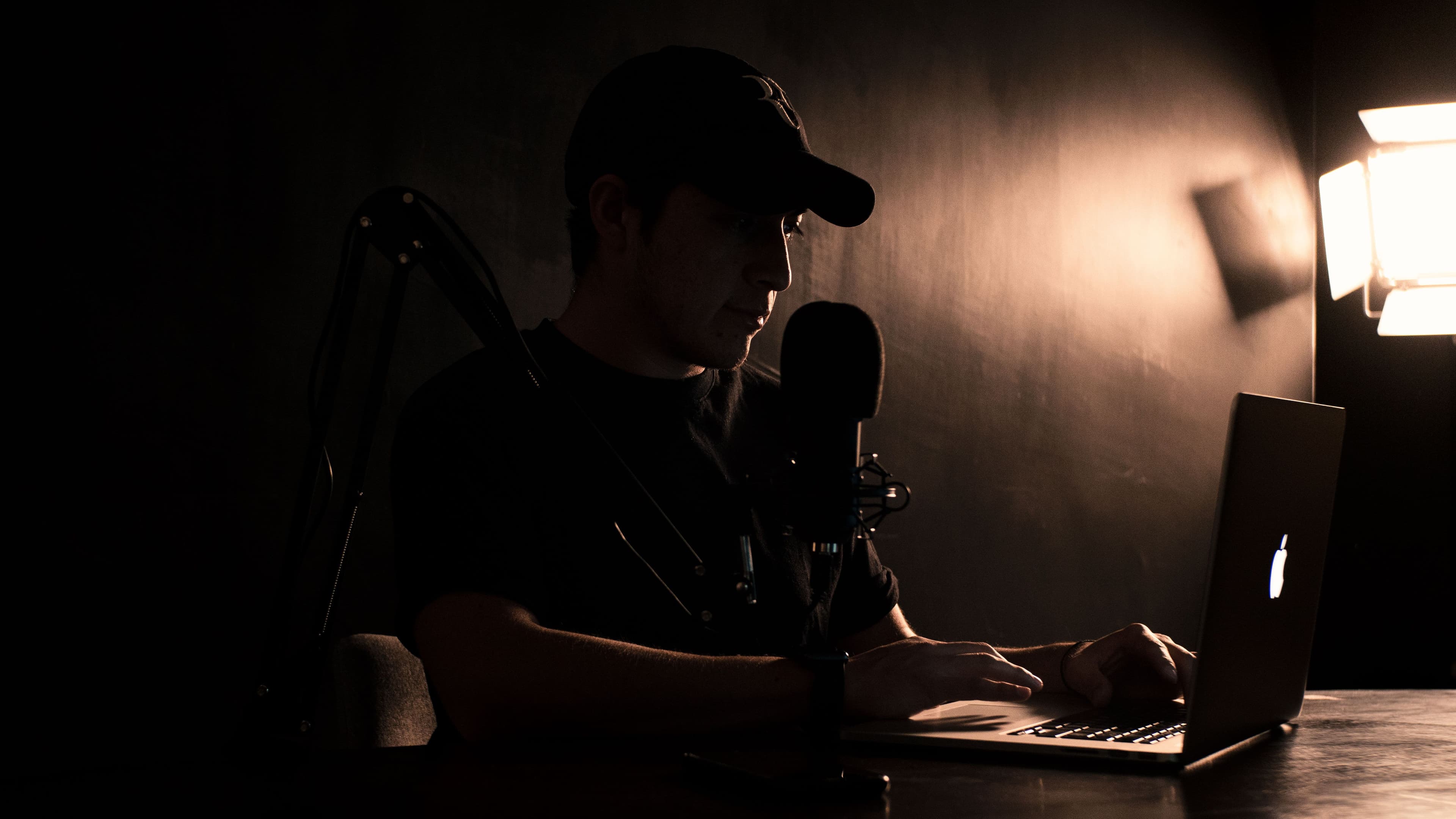
- Get the mic closer to the source. Distance is the enemy. The same mic six inches away sounds professional and three feet away sounds like a hallway. Closeness alone fixes most amateur audio.
- Kill the room echo. Hard, empty rooms bounce sound and read as cheap instantly. Recording in a smaller, softer space, with soft furnishings, clothes, or anything that absorbs sound, removes that hollow tone for free.
- Use any dedicated mic over your camera or laptop mic. Even an inexpensive clip-on mic or USB mic is a leap up from the built-in one, which is designed for convenience, not credibility.
- Record somewhere quiet and consistent. A stable, low-noise recording spot you can return to beats a beautiful location with traffic, AC hum, or a fridge in the background.
The music-creator blind spot
If you make music, you have a specific trap waiting for you, and it's the most ironic one in this whole post. You have a great ear. You can hear a frequency clash in a mix from across the room. And yet the talking part of your content, the voiceover, the intro, the bit where you actually explain the idea, is often recorded as an afterthought on whatever mic was closest, in whatever room you happened to be in.
I've heard producers post a clip with a pristine, mastered track underneath and a voice that sounds like it was recorded in a stairwell. The mismatch is jarring, and not in a good way. It tells the viewer that you care about the music but not about talking to them, and in content, talking to them is the part that builds the relationship. People read your level from how everything sounds, not just the track.
There's also a balance problem that's easy to miss. When your own music is under your voice, it's tempting to push the track up because you love it, and bury the words. Resist that. In a talking clip, the voice is the message and the track is the bed. If a stranger can't hear what you're saying over your own song, you've optimized the wrong layer.
Clean it once, then move on
The reason audio is such a smart investment isn't just the return. It's that once you fix it, you're done. A camera upgrade tempts you into endless tweaking. A solid audio setup, the right mic, a treated-enough corner, a consistent spot, just works, every time, with no ongoing effort. You solve it once and it quietly multiplies every clip you make after.
That's what makes it the perfect first upgrade. It's cheap, it's high-impact, and it's repeatable, which is the whole point of a good production system: remove a recurring friction so you can keep publishing without the quality dropping. You're not buying a luxury. You're buying back the credibility you were losing in the first second, on every post, for as long as you keep making them.
So before the next thing you buy, listen to your last clip with headphones, as a stranger would. Can you hear every word easily? Does it sound like a hallway? Is your voice fighting your own track? If any of that lands wrong, you've found the best return on your money, and it's almost certainly cheaper than the gear you were about to buy.
Carry the clarity into the landing experience
Clean audio earns attention. But there's one more place the signal can break, and it's the place most creators ignore: where you send people next. You can fix your sound, win the stranger's attention, and then drop them onto a generic link-in-bio that sounds, visually, like exactly the kind of cheap, echoey room you just spent effort escaping. A thin list of blue links is the landing-page version of bad audio. It tells people your level before you say a word.
LinkSplash exists to keep the signal clean all the way through. Instead of a thin link list, you get a real brand home, a destination that feels as intentional as the clip that sent them there, where someone can hear the track, see who you are, and take the next step without friction. It's free to start, so the place you send people can finally match the care you put into the audio.
And on Pro, Linx brings the same clarity-of-signal judgment to your page. Paste in your release and your current page and ask it what's muddy, what's competing for attention, and what a cold visitor takes away first. Get the audio clean, get the destination clean, and the work you already made stops getting written off in the first second.